
Port is Which Side of the Boat? The Ultimate Guide to Boating Directions
When you are out on the water, the last thing you want is a communication breakdown. Imagine a captain yelling “Look to the left!” while a passenger is facing the stern—suddenly, “left” becomes a very confusing direction.
To avoid this, boaters use a universal language. If you’ve ever found yourself scratching your head and asking, “port is which side of the boat?” you aren’t alone. It is one of the most searched terms for new boaters.
Here is your foolproof guide to remembering your directions, why it matters for safety, and how it changes the way you approach your Wave Armor dock.
The Short Answer: Port vs. Starboard
If you are standing on the boat facing the bow (the front):
-
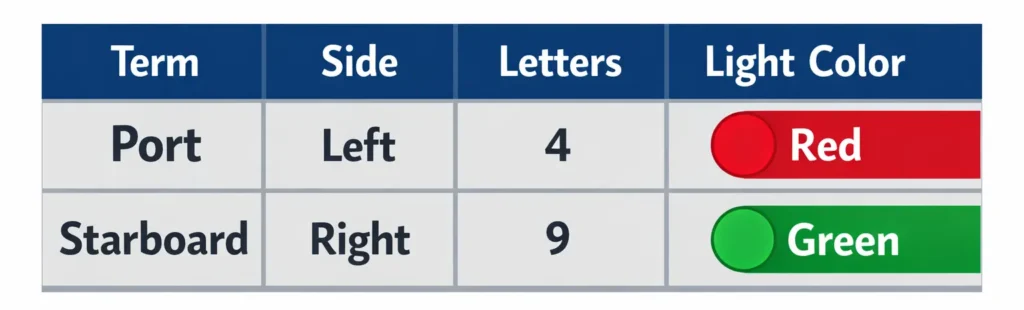
Port is the LEFT side.
-
Starboard is the RIGHT side.
It doesn’t matter which way you are personally facing; “Port” always refers to the same physical side of the vessel. This ensures that when the captain gives an order, everyone is looking at the same spot.
How to Never Forget: The “4-Letter Rule”
The easiest way to memorize this is a simple word-length trick used by sailors for generations:
PORT has 4 letters. LEFT has 4 letters.
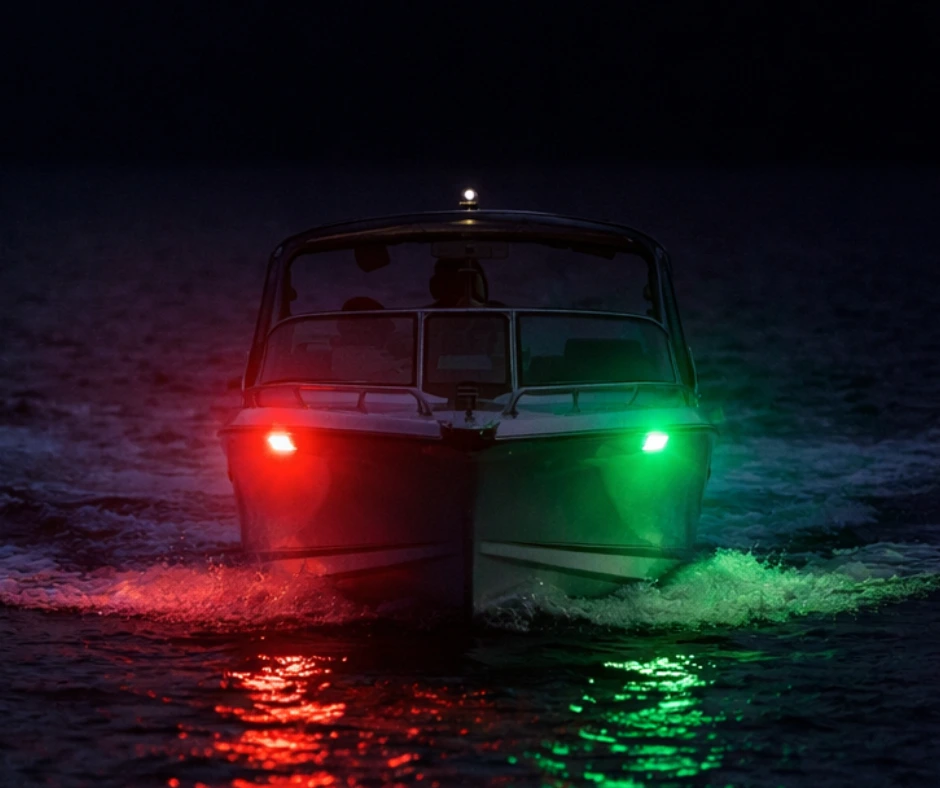
If you can remember that both words have exactly four letters, you will never get turned around again. To take it a step further for nighttime navigation, think of Port Wine. Port wine is Red, and the Port side of your boat always carries the Red navigation light, while Starboard carries the Green light.
Why Do We Use These Terms? (A Bit of History)
In the early days of sailing, long before boats had rudders attached to their centers, they were steered using a “steering oar” at the back. Since most sailors were right-handed, the steering oar was placed on the right side of the vessel.
-
Starboard: Derived from the Old English stéorbord (steer-board). It literally means the side on which the ship was steered.
-
Port: Because the steering oar was on the right, sailors would tie up to the wharf or “port” on the left side to avoid damaging the oar. Over time, the left side became the “port” side.
How This Affects Your Docking Strategy
Knowing your Port from your Starboard isn’t just about sounding like a pro—it’s about practical boat handling, especially when approaching your floating dock system.
1. The “Easy” Side and Prop Walk
Most boats have a “preferred” side for docking based on the rotation of the propeller, a phenomenon known as prop walk. Depending on your engine’s rotation, your boat might naturally nudge its stern toward the port or starboard side when you shift into reverse. Understanding which side your boat “favors” helps you decide which side of your Wave Armor system to approach for the smoothest landing.
2. Fendering and Hardware Placement
When you know which side you’ll be docking on most often, you can strategically place your marine hardware, cleats, and bumpers. At Dock Stop, we often help customers configure their modular docks so that their primary “boarding side” is clear of obstructions. By aligning your dock accessories with your boat’s port or starboard preference, you reduce the risk of hull scratches and make boarding much safer for your family.
3. Navigation Safety and Right of Way
When two boats are heading toward each other, the “Rules of the Road” usually dictate that you pass Port-to-Port (left side to left side), much like driving a car on a two-lane road. Furthermore, if a boat is approaching you from your starboard side, they generally have the right of way. Knowing these directions is critical for avoiding collisions in busy marinas or crowded channels.
Summary Cheat Sheet
Ready to Master Your Waterfront?
Now that you can talk like a captain, it’s time to dock like one. Whether you prefer a port-side tie-up or a starboard-side approach, Dock Stop has the modular solutions to make docking effortless. Our systems are designed to be “side-agnostic,” meaning you can configure your PWC ports or boat slips to accommodate whichever side of the vessel you are most comfortable with.
From custom floating walkways to heavy-duty marine hardware, we build the setup that fits your unique boating style.
Browse our Docking Systems or Contact Our Team for a Custom Quote